Pruning and Shaping
Deadwooding
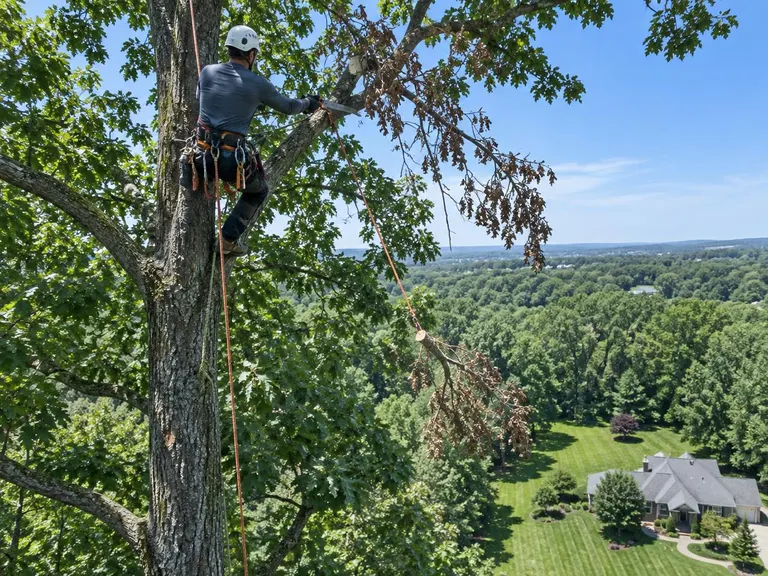
Dead limbs drop without warning and can injure people and damage property. Deadwooding removes dead, dying and broken branches from the canopy, improving safety while leaving the living tree intact.
- Best forMature trees over lawns, driveways and play areas
- Typical timelineOften a few hours
- TargetsDead, broken, hanging and diseased limbs
- Pairs well withRisk assessments and pruning
What you get
What deadwooding includes
- 1Safety firstDead limbs above people and property are removed first.
- 2Preserve the treeLiving wood is left alone, and cuts are made cleanly.
- 3Climber or lift accessWe reach the canopy without damaging the tree.
- 4Debris cleanupDead wood is chipped or hauled away.
How it goes
From first call to finished work
- 1InspectWe spot dead wood from the ground and in the crown.
- 2PlanWe choose the safest way to reach each limb.
- 3RemoveDead limbs are cut and lowered with care.
- 4ClearThe ground is cleaned and checked.
Good fit when
Is deadwooding right for you?
- You see bare, brittle branches in a leafy tree
- Limbs hang over a roof or play area
- A storm left broken branches
- You want a routine safety pass
Questions
About deadwooding
How do I know a branch is dead?
Dead branches have no leaves in season, brittle bark or no buds. A bend test or a scratch test can help, but an arborist is safer.
Does deadwooding hurt the tree?
No. Removing dead wood helps the tree and reduces risk when it is done at the right cut points.
How often should it be done?
Mature trees often benefit from a check every year or two, and after storms.
Related services
Often paired with this
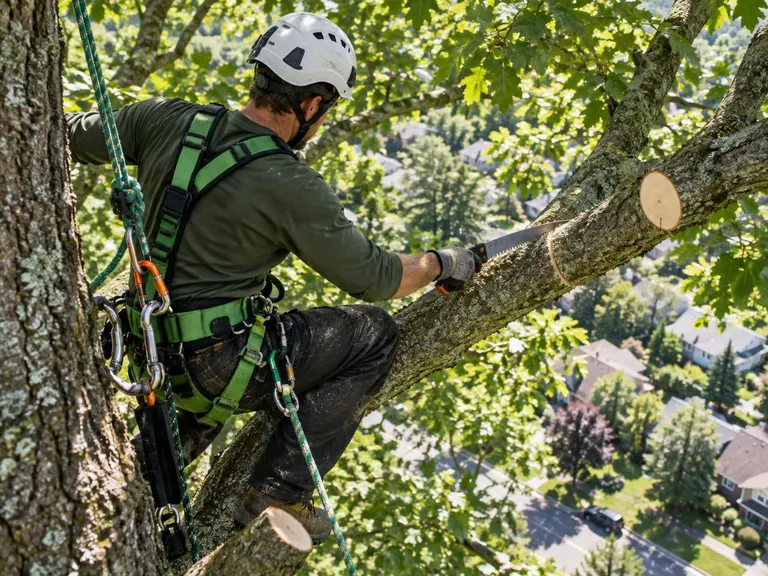 Tree Trimming and PruningPruning done to arborist standards: clean cuts, strong structure and healthy growth.See the service
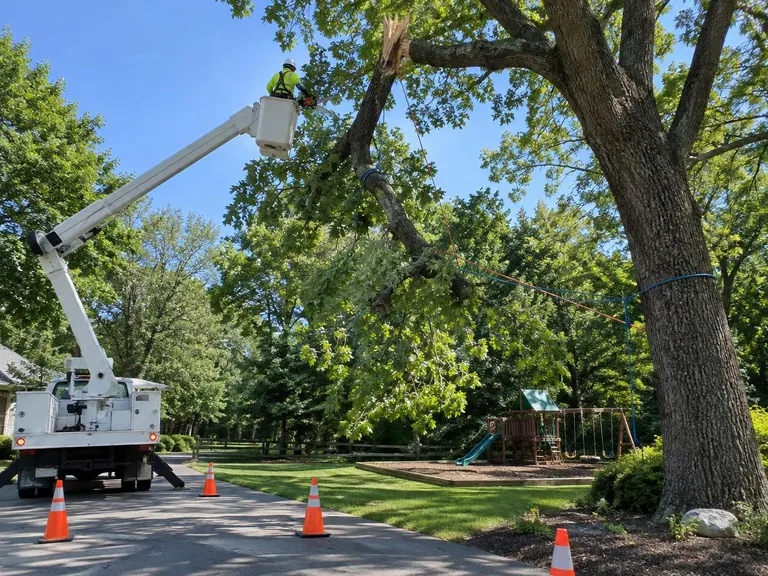 Hanging Limb and Broken Branch RemovalBroken limbs hanging in the canopy fall when you least expect it. We take them down safely.See the service
 Tree Risk Assessment and ReportsA clear, written look at the risk your trees pose, with options you can act on.See the service
Where we work
Find deadwooding near you
Pick your city to see local conditions and the services people ask for most.
Talk to us about deadwooding
Call or text, or send the form. Tell us about the tree and we will tell you what we think.