Tree Health Assessment and Diagnosis
A thin canopy or a dead branch is a symptom, not a diagnosis. We examine soil, roots, trunk, structure and canopy, look for disease and pests and explain what is wrong and what can be done about it before anyone picks up a saw.
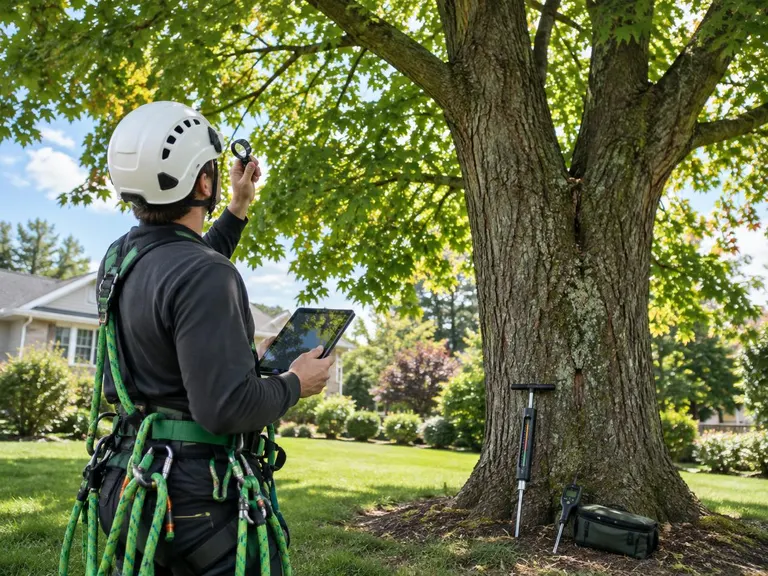
- Best forTrees with thin, discolored or dying foliage
- Typical visitOften one to two hours per property
- ToolsHand lens, soil probe, mallet, resistance drill
- Pairs well withTreatment, pruning and soil care
What tree health assessment and diagnosis includes
- 1Whole-tree viewWe look at roots, soil, trunk, structure and crown together, not just the leaves.
- 2Pest and disease IDWe identify the actual pathogen or insect, so treatment targets the real problem.
- 3Honest optionsYou hear what can be saved, what is worth treating and what should be removed.
- 4Written findingsClear notes you can keep, share or use to compare options.
From first call to finished work
- 1Walk the propertyWe listen to what you have noticed and look at every tree involved.
- 2InspectWe check bark, canopy, roots, soil and structure with proper tools.
- 3DiagnoseWe name the cause and rule out look-alikes.
- 4RecommendYou get a plain-English plan with priorities.
Is tree health assessment and diagnosis right for you?
- A tree has thin or yellowing leaves
- Branches are dying back from the tips
- You see mushrooms, oozing or peeling bark
- You want to know if a tree can be saved
About tree health assessment and diagnosis
How do I know if my tree is dying or just stressed?
Stress shows up as thin foliage, early color or small leaves, and many trees recover. Decline is progressive and shows dieback, bark damage and decay. An assessment looks at all of it.
Can a struggling tree be saved?
Often, yes, with the right mix of treatment, soil care, pruning and support. Removal is for trees that cannot be made safe or healthy.
How often should trees be assessed?
Mature trees usually benefit from a check every one to two years, and stressed trees sooner.
Often paired with this
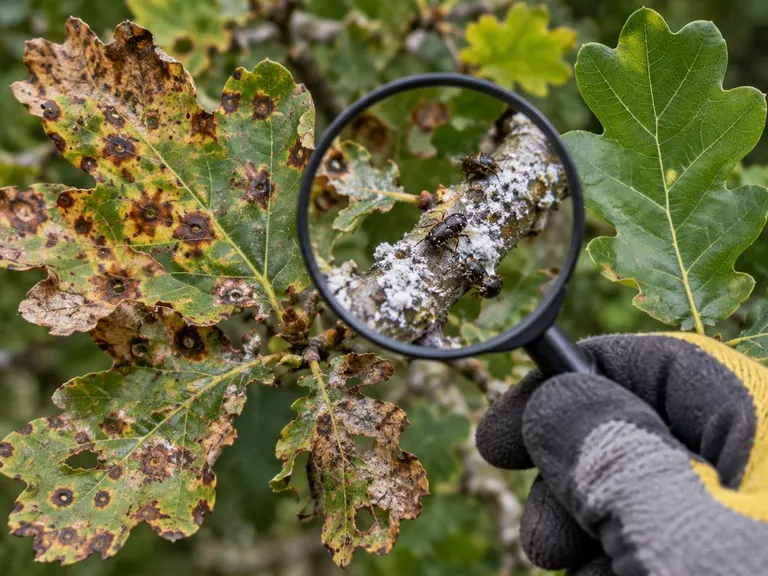 Disease and Pest TreatmentTargeted treatment for the disease or insect actually attacking your tree.See the service
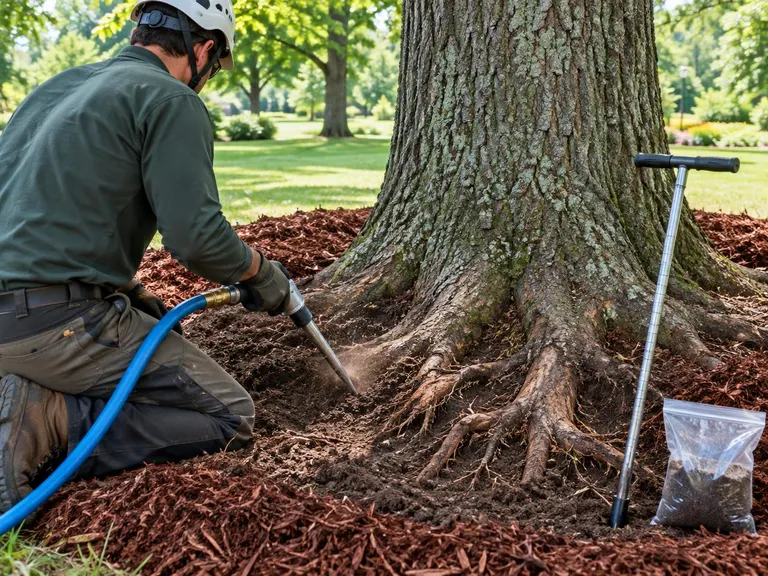 Soil Health and Root CareHealthy roots make healthy trees. We fix the soil problems that quietly starve them.See the service
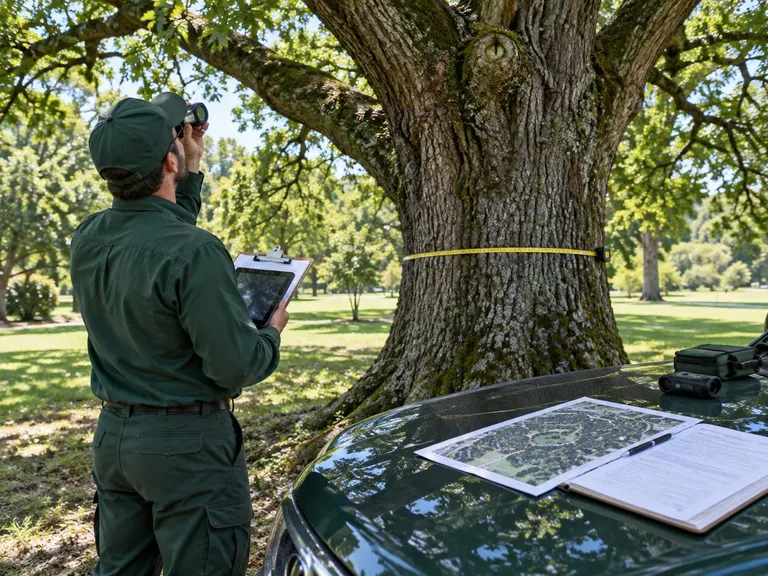 Tree Risk Assessment and ReportsA clear, written look at the risk your trees pose, with options you can act on.See the service
Find tree health assessment and diagnosis near you
Pick your city to see local conditions and the services people ask for most.
Talk to us about tree health assessment and diagnosis
Call or text, or send the form. Tell us about the tree and we will tell you what we think.